From cassette tapes to Artificial Intelligence
- Bradley Rasmussen
- Nov 10, 2025
- 2 min read
Updated: Feb 16
KEY TAKEAWAYS:
The AI Revolution mirrors past technology transformations - fear of job loss persists, but human creativity and adaptability remain irreplaceable.
Students today face a world shifting from "no AI" to "AI everywhere"
Forecaz is using AI and machine learning to help Australian councils and utilities predict urban growth with unprecedented accuracy, combining data science with human planning expertise.
Urban planning careers now blend data science, geography, and technology
Real-world spatial data (like property descriptions and development applications) powers the AI models that shape Australia's fastest-growing cities.
The next generation needs to be AI architects who understand how these tools positions them to lead the transformation.
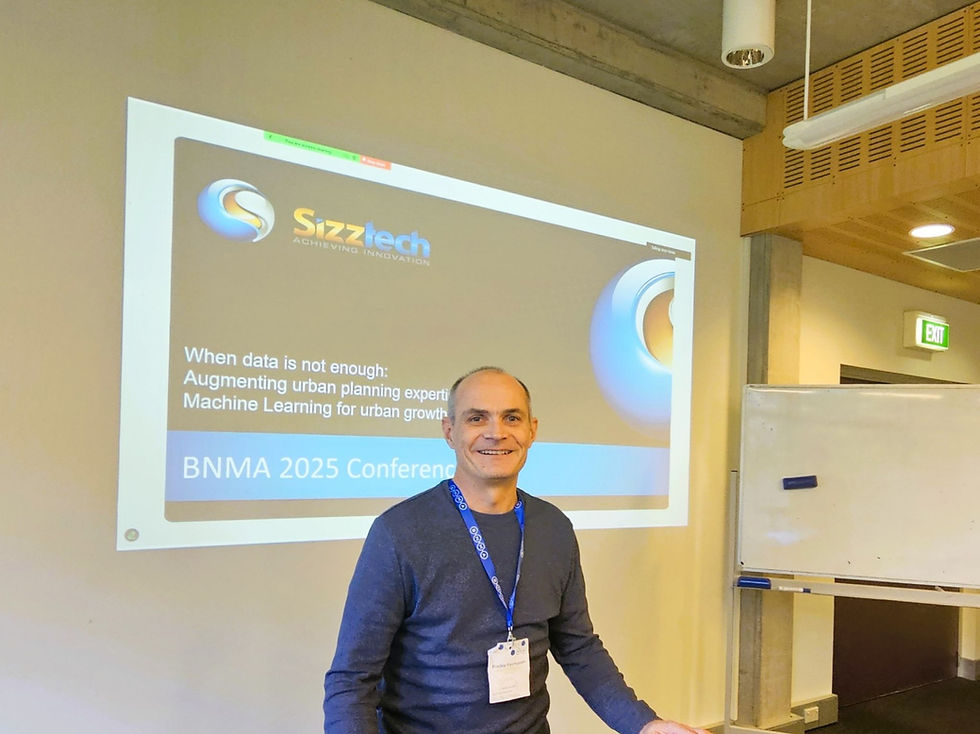
In November 2025, on behalf of Forecaz, I presented to over 90 Grade 10 and 11 Digital Technology and Geography students at Indooroopilly State High School in Brisbane, Qld. Holding up a cassette tape, I asked who knew how to use one - fewer than ten hands rose.
Back in my Year 10 days, that cassette was my USB stick for our school's first Apple IIe, loaded via cassette player with no disk drives. That sparked the Digital Revolution, shifting from no computers to computers everywhere.

The AI Revolution
Fast forward to today. The smartphone in a student’s pocket is more than a million times faster than that early Apple IIe. In Year 10, I was stepping into a world transforming from no computers to computers everywhere.
Now, those same Year 10 students are standing at the edge of another transformation — the AI Revolution. Their world will soon shift from no AI to AI everywhere.
During the session, I showed them newspaper headlines from my own youth:
“Robots could destroy a million jobs globally. ”Robots could take over 38% of U.S. jobs in 15 years.”
Forty-five years later, we still don’t have robots that think and act independently like humans — though we are edging closer. The same cycles of fear and fascination appear today with artificial intelligence. But the truth remains: technology evolves, while human creativity, adaptability, and purpose always stay at the centre. AI isn’t replacing those traits anytime soon.
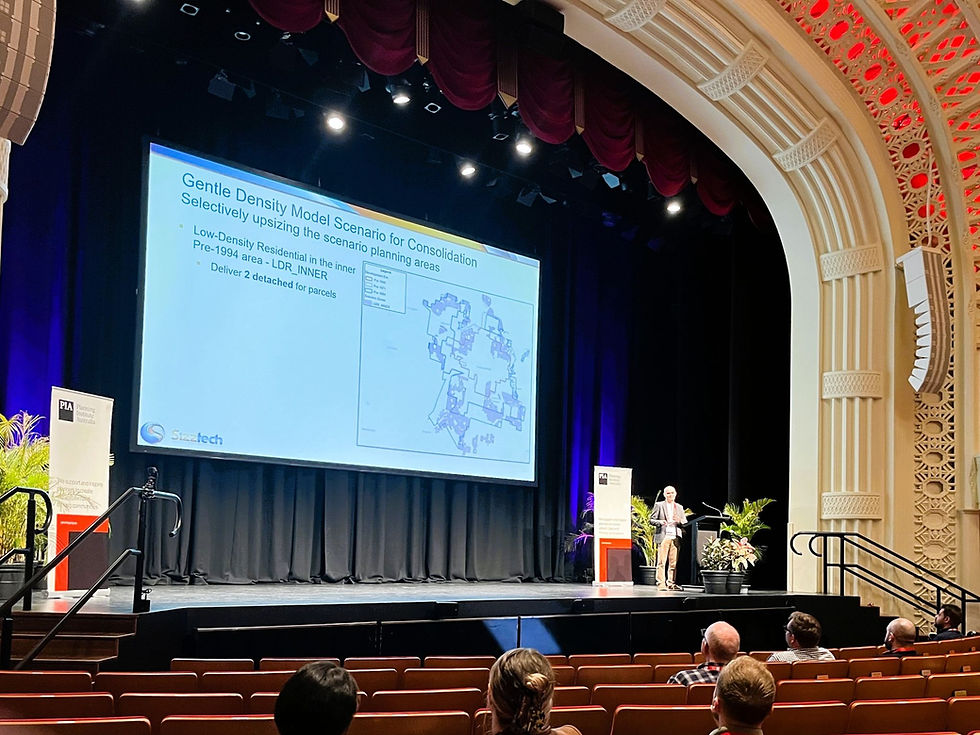
At Forecaz, we’re using AI to help councils and utilities predict the future of cities — combining data science, human expertise, and local insights to plan smarter, more sustainable communities. Using the school’s own location, I demonstrated the spatial data that feeds our models. Students even looked up their own Real Property Descriptions and discovered how the same technology shaping our cities could shape their future careers.
I also highlighted urban planning as a meaningful and innovative career path - one that blends data, geography, and creativity. I hope a few students left the room inspired to become the planners, scientists, and innovators driving the next revolution.
Thanks to Robin B. for the invitation. Forecaz believes in giving IT back - empowering the next generation as AI architects, not bystanders.
Ready to explore how AI can support your community growth planning?
Contact Forecaz today to discuss pilots and urban insights.